The Johnny Allem
Living Storyboard
A 15-Panel Visual Celebration of a Life of Service, Recovery, and National Impact
A Life Lived in Full Voice
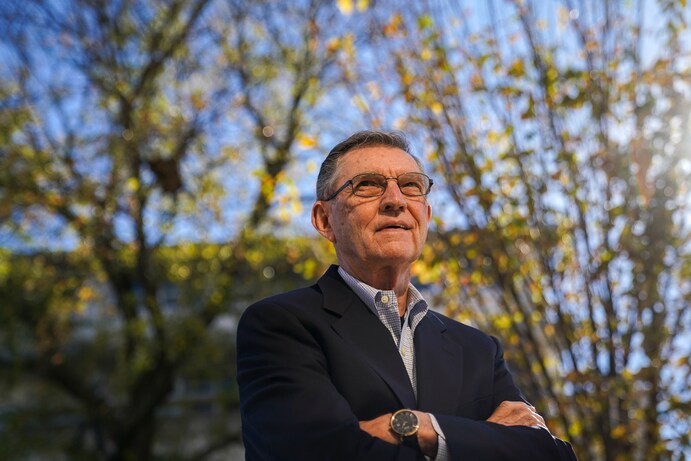
The Man of Substance — Opening Portrait
A statesman of recovery, a strategist of change, and a man whose presence shapes national conversations — Johnny Allem carries the weight of decades of purposeful action into every room he enters. His story is not one of a man defined by a single achievement, but by a lifetime of relentless commitment to human dignity, healing, and hope. He stands today as one of the most consequential and beloved figures in the American recovery movement.
Roots of Resolve
Early Life & Foundations
The early years that shaped Johnny's character ran deep — discipline, curiosity, and a sense of civic responsibility that defined everything he did and everyone he became. Raised with a strong moral compass and an instinct for connection, he developed early the rare gift of seeing potential in people and possibility in problems. From these roots, a remarkable leader took form, carrying the values of community, integrity, and service into every arena he would enter.

The Crucible of Transformation
The Descent & The Turning Point
Every great leader carries a defining moment of transformation — a crucible that either breaks them or forges them into something finer. For Johnny, his personal encounter with addiction became not a source of shame but the very fire that forged his clarity, compassion, and unshakeable purpose. He did not look away from the darkness. He walked through it, emerged on the other side, and immediately began building a bridge back for others. That turning point fueled a mission unlike any other in the recovery movement.

From Survivor to Advocate
Recovery Begins — A New Mission
Recovery didn't just restore Johnny — it transformed him completely. What began as a deeply personal journey of survival became the foundation of a lifelong commitment to elevating the voices of millions walking that same difficult path. He arrived at sobriety not as a destination but as a launching pad — he didn't simply walk out of the darkness, he turned around, held out a lantern, and refused to move forward until others could see the way. With more than 45 years of sobriety as his bedrock, his advocacy remains rooted in lived truth, not theory.

A National Movement Takes Shape
Faces & Voices of Recovery
Johnny helped transform recovery from a whisper into a national chorus — from something spoken only in hushed rooms to a rallying cry heard in the halls of Congress, on the steps of state capitols, and across the airwaves of America. As a founding leader of the modern recovery advocacy movement, he helped organize, energize, and give language to a community that had been too long invisible. His voice rang out at rallies, conferences, and media platforms with a conviction that was powerful, clear, and impossible to ignore — and it still does today.
Building Power at Home
Co-Founding the DC Recovery Community Alliance
In Washington, DC, Johnny co-founded a model for community-driven recovery leadership that would become a blueprint for organizations across the nation — grassroots in its spirit, sophisticated in its strategy, and unstoppable in its momentum. The DC Recovery Community Alliance stands as a living testament to what organized, compassionate advocacy can achieve when a true visionary leads the charge. It is not simply an organization. It is a community reclaiming its dignity, its power, and its future — with Johnny's fingerprints on every brick.

Inside the Arena
The Political Strategist
Before becoming a nationally recognized recovery leader, Johnny mastered the art of political influence — shaping campaigns, advising powerbrokers, and learning intimately the mechanics of how change actually happens in America. He understood that passion alone does not move legislation; strategy, relationships, and timing are the true currency of reform. That hard-won political intelligence became one of his most powerful tools in the fight for recovery policy, giving him access and credibility in rooms that few advocates ever enter.

Words That Endure
The Author
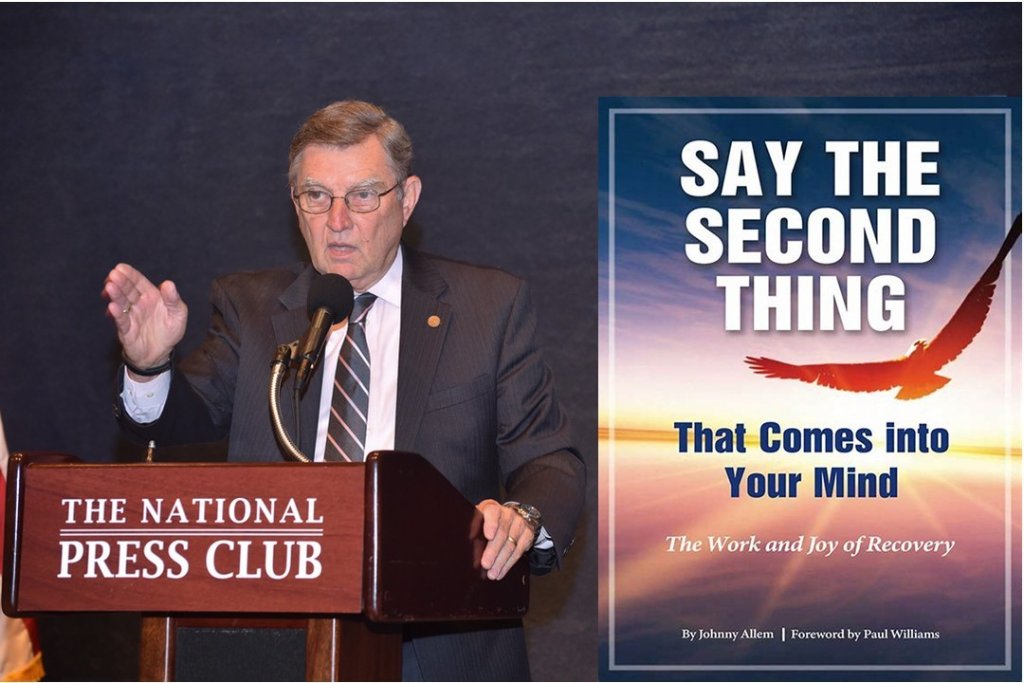
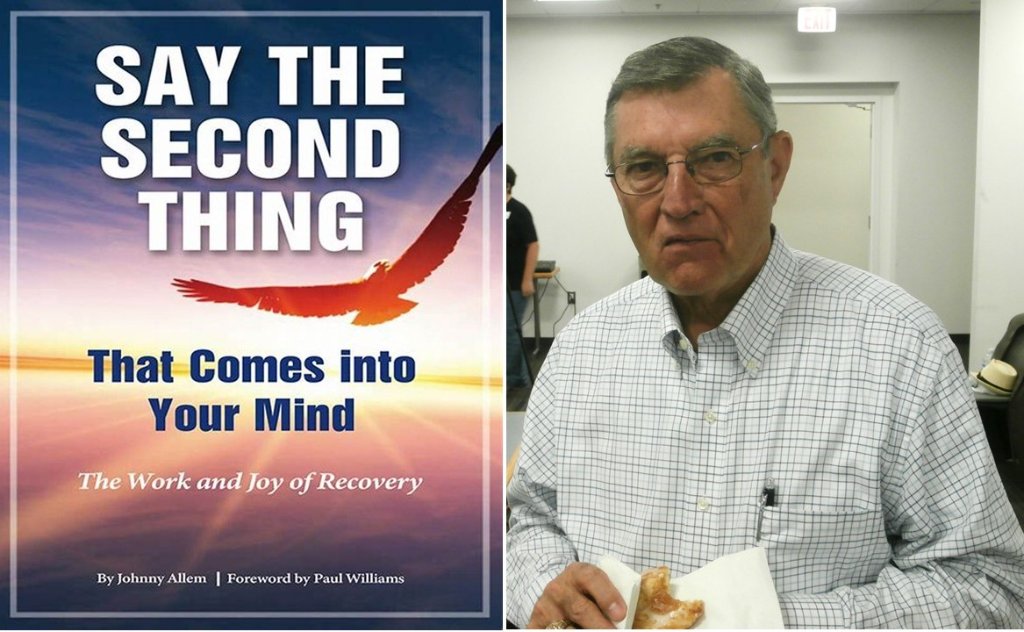
"Say The Second Thing That Comes into Your Mind" is already part of the national recovery canon — clear, courageous, and rooted in the deep wells of lived experience. Johnny wrote it not to impress but to reach: to find the person sitting alone at 2am, uncertain whether there is a way through, and to hand them something true. His words carry the weight of a man who has been there, survived, and chosen to come back and tell the story honestly. It is a book that instructs, but more importantly, it is a book that heals.
Leadership on a National Stage
The Betty Ford Center Years
Managing one of the most iconic and beloved recovery institutions in America was no small charge — and Johnny met it with the full force of his discipline, compassion, and vision. At the Betty Ford Center, he brought national credibility, operational clarity, and a deep respect for the mission to every decision he made. His leadership elevated the institution's profile, strengthened its community partnerships, and set a standard of excellence that continues to echo across the entire treatment field. He led not from ego, but from an abiding belief in what recovery makes possible.

Teaching the Next Generation
The Educator & Mentor
Johnny's greatest and most enduring multiplier effect is not any single policy win or institutional achievement — it is the people he has taught, mentored, and inspired along the way. Every advocate who found their voice, every clinician who deepened their empathy, every community leader who learned to fight smarter carries his philosophy forward into the world. He teaches with patience and rigor, demanding excellence while radiating belief. His central conviction — that recovery is possible for anyone willing to reach for it, and that advocacy is a moral calling, not merely a career — lives on in the hundreds of leaders he has helped shape.
A Voice America Listens To
The Public Figure
Interviews, panels, keynotes, and congressional briefings — Johnny is a trusted and sought-after national voice on recovery, addiction policy, and human dignity. He has the rare ability to speak with equal fluency to lawmakers and laypeople, to clinicians and community members, always finding the language that moves people from understanding to action. From the National Press Club podium to network media studios, his presence commands attention and his message demands a response. When Johnny Allem speaks, America doesn't just listen — it takes notes.

Aquila & Other Endeavors
The Builder of Institutions
Johnny's entrepreneurial spirit and institutional imagination have always extended far beyond advocacy into the architecture of recovery itself — building treatment organizations and sustainable systems that serve communities across the nation. With Aquila and other ventures, he demonstrated that visionary leadership and sound management are not in conflict but in partnership. His institutional frameworks were built to last, outlasting any single moment or milestone, continuing to serve long after the ribbon-cutting and long after the headlines faded. He built not for recognition, but for impact.

The Man Behind the Mission
The Personal Johnny
Humor. Generosity. Sharp intellect and an instinct for exactly the right thing to say at exactly the right moment. A presence that fills every room the instant he walks in — not with ego, but with warmth and an energy that makes everyone feel both seen and welcome. This is the Johnny his friends, colleagues, and mentees know best — funny, real, deeply kind, always ready with a story that somehow contains a life lesson tucked inside a laugh. He is as fun as he is formidable, and those who know him well will tell you the two are inseparable.

Alive, Engaged, and Unfinished
The Present Chapter — Still Leading, Still Teaching
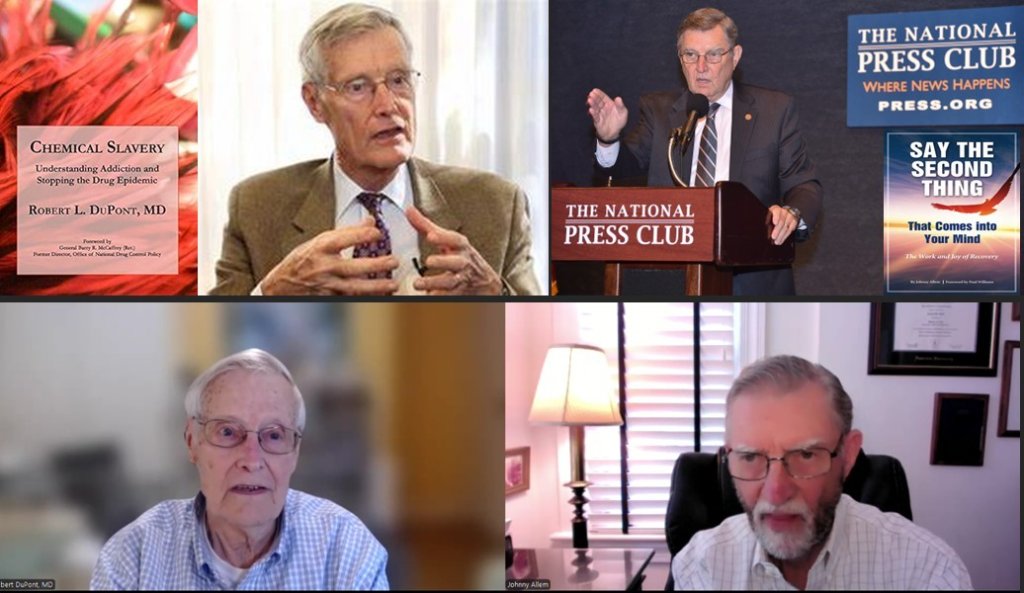
Johnny remains a vital, engaged, and energizing force in the recovery world — and shows no signs of slowing down. Writing, advising, mentoring the next generation, and appearing on panels alongside distinguished colleagues like Dr. Robert DuPont, he continues to actively shape the movement he helped build from the ground up. His days are full, his calendar is busy, and his mind is as sharp as ever. His chapter is very much open. The work continues. And the pages that lie ahead promise to be every bit as compelling, consequential, and inspiring as any that came before.

The Legacy in Motion
Epilogue — What He Gives Us

Johnny Allem's legacy isn't carved in stone or confined to a trophy case — it lives and breathes and moves through the world in every advocate he has trained, every institution he has strengthened, every policy he has helped shape, and every life that recovery has touched because of the path he helped clear. His work is a gift that keeps unfolding, a story still very much being written. The movement he helped build is larger, stronger, and more visible than ever. And Johnny himself — still learning, still leading, still giving — continues to grow right along with it.